


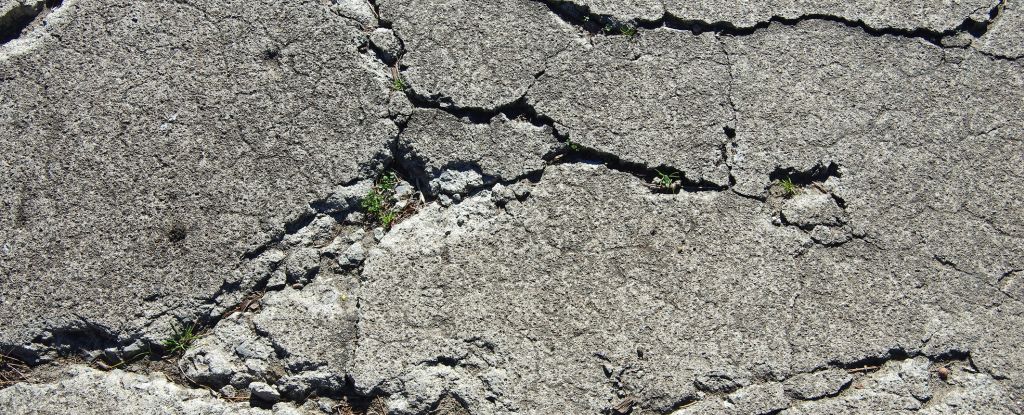
Scientists Developed a Kind of 'Living Concrete'
Scientists Develop Revolutionary 'Living Concrete' That Heals Its Own Cracks
In a groundbreaking innovation, a team of scientists led by mechanical engineer Congrui Grace Jin of Texas A&M University has created a new type of concrete that can heal its own cracks. This self-healing concrete is a significant step towards making construction more sustainable and reducing maintenance costs.
The new material harnesses the power of living organisms to repair cracks and damage. Unlike traditional concrete, which is made from cement and often produces greenhouse gases, this "living concrete" uses biological agents that can absorb carbon dioxide and release oxygen. This eco-friendly alternative has the potential to drastically reduce the carbon footprint of the construction industry.
One of the key features of this living concrete is its ability to heal itself. By incorporating specific bacteria or fungi that can grow within the concrete, the material can repair cracks and damage over time. This self-healing property not only reduces the need for frequent repairs but also extends the lifespan of structures built with this material.
Beyond its self-healing capabilities, living concrete also offers other innovative features. Some versions can glow in the dark, sense environmental changes, or even clean up contaminated soil and water by incorporating bacteria that break down pollutants. These properties make living concrete an attractive solution for building in harsh environments, such as deserts, and even for space exploration.
Researchers are also exploring ways to integrate sensors into living concrete, allowing it to detect cracks and other damage in real-time. This real-time information could provide early warnings for maintenance, ensuring the structural integrity of buildings.
The potential applications of living concrete are vast. It could be used to construct temporary shelters or infrastructure in areas affected by natural disasters, providing quick and easy solutions for emergency situations. Additionally, its ability to produce oxygen and absorb carbon dioxide makes it an ideal candidate for building structures on Mars or other planets.
As the world grapples with the challenges of climate change and sustainability, innovations like living concrete offer a beacon of hope. By leveraging biology and biomimetic techniques, researchers are bringing new building materials to life, enhancing the sustainability of civil engineering projects, and paving the way for a more eco-friendly future.
Sources:
- [1] Science Alert: Scientists Developed a Kind of 'Living Concrete' That Heals Its Own Cracks
- [2] Popular Mechanics: A New Kind of Concrete Can Grow and Repair Itself. How? It's Alive.
- [3] Smithsonian Magazine: New, 'Living' Building Material Made From Fungi and Bacteria Could Pave the Way to Self-Healing Structures
- [4] ASCE: How living materials can shape the future built environment
- [5] Future Disruptor: The Future of Living Concrete
Note: The original article from Yahoo News is not provided, but based on the key points and sources mentioned, the rewritten content aims to capture the essence of the innovation and its potential applications.
Source: https://www.yahoo.com/news/scientists-developed-kind-living-concrete-190054847.html

1.jpg)


1.jpg)
.png)


.jpg "Terex Advance Ready Mix Trucks")



.png "Putzmeister Mixer")