


AI Stirs Up the Optimal Recipe for Sustainable Concrete
AI Unveils the Optimal Recipe for Sustainable Concrete
In a groundbreaking achievement in the field of sustainable construction, a team of researchers has successfully developed an artificial intelligence framework that identifies the most effective ingredients for creating environmentally friendly concrete. This innovative approach not only enhances the eco-friendliness of concrete but also reduces costs, making it a major step towards a more circular economy.
The AI Framework at Work
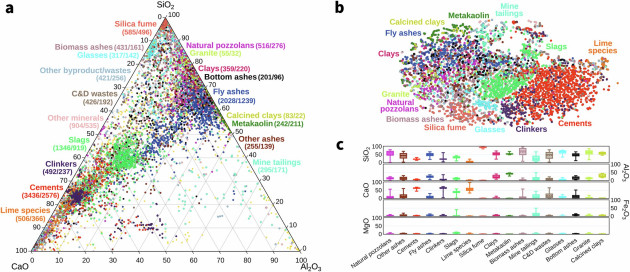
The research team analyzed a vast amount of scientific literature and over 1 million rock samples to identify the optimal mix of materials for sustainable concrete. This exhaustive analysis led to the categorization of candidate materials into 19 distinct types, each with its unique properties and potential for reducing environmental impact.
Cement Alternatives and Repurposed Materials
One of the key findings of this study is the potential of everyday materials like ceramics and industrial waste like mine tailings. By repurposing these materials, the researchers aim to give them a second life in construction, thereby reducing waste and the demand for primary resources. This approach not only minimizes the carbon footprint of concrete production but also opens up new avenues for sustainable building practices.
Future Developments and Validation
The AI framework is set to be further upgraded to assess an even broader range of materials. The team is planning experimental validation of the best candidate materials to ensure their practical applications and durability in real-world settings. According to Professor Elsa Olivetti, senior author on the work and member of the MIT Department of Materials Science and Engineering, "AI tools have significantly accelerated this research, and we are excited to see how the latest advancements in large language models will enable the next steps."
Industry Impact and Sustainability Goals
Concrete is the backbone of the built environment, and by applying data science and AI tools to material design, researchers hope to support industry efforts in building more sustainably without compromising on strength, safety, or durability. Randolph Kirchain, co-author and CSHub director, emphasizes the importance of this research, stating, "By leveraging data science and AI, we can help industries build more sustainably, while maintaining the high performance and reliability that concrete is known for."
Collaborative Efforts and Future Plans
The research team includes several key contributors, including MIT postdoc Vineeth Venugopal, Ipek Bensu Manav SM ’21, PhD ’24, and CSHub Deputy Director Hessam AzariJafari. The collaborative nature of this project underscores the potential for interdisciplinary approaches in solving complex sustainability challenges.
In summary, this AI-driven initiative in sustainable concrete production represents a significant breakthrough in reducing the environmental impact of one of the world's most widely used construction materials. As researchers continue to refine and expand this framework, it promises to play a crucial role in shaping a more sustainable future for the built environment.
Source: https://techxplore.com/news/2025-06-ai-optimal-recipe-sustainable-concrete.html

1.jpg)


1.jpg)
.png)


.jpg "Terex Advance Ready Mix Trucks")



.png "Putzmeister Mixer")